Source Reusable Plastic Pail for Chemical, Paint, and Food Packaging
Source 30 reusable plastic pail options for dye, lubricating oil, and edible packaging. Compare 20L and 5-gallon models with ISO9001 and HACCP certifications. View dimensions, weights, and customization features for industrial and commercial needs; compare the available evidence and request quotations based on your requirements.
Key considerations
Products List


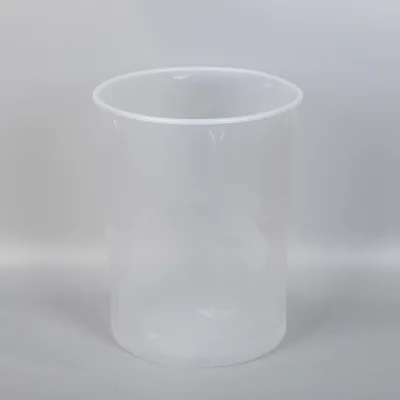
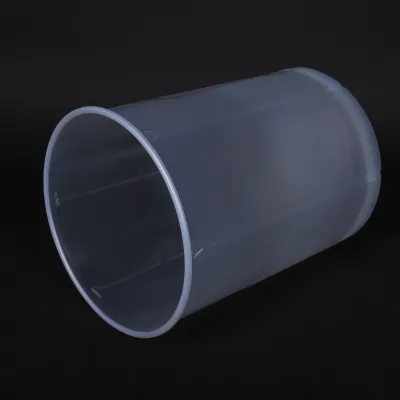


Comprehensive Sourcing Guide
Reusable Plastic Pail Sourcing Guide
The reusable plastic pail serves as a versatile container for diverse industrial and commercial applications, ranging from chemical storage to food-grade packaging. Buyers observe these units functioning effectively for dye, lubricating oil, peracetic acid, hydrogen peroxide, and edible products. The design accommodates both round and square configurations, with specific models tailored for beer, gasoline, milk, paint, and water transport. This adaptability makes the product a critical component in supply chains requiring durable, stackable, and sealable vessels for bulk liquid handling.
Procurement strategies must account for the wide variance in observed listing signals, including price points between 0.07 and 3 USD and minimum order quantities spanning from 1 to 5000 pieces. While some listings highlight free samples and customized logos via IMI, silkscreen, or heat transfer printing, others emphasize stock availability and eco-friendly material properties. Buyers should verify that the specific listing matches their volume needs, as some suppliers require a 2000-piece minimum while others offer lower thresholds, ensuring the selected vendor aligns with immediate inventory requirements.
Product Scope and Observed Listing Signals
Buyers must distinguish between specific functional classifications, as the market offers barrels designed for sealing, color printing, and heavy-duty chemical containment. The observed product scope includes 20-liter and 5-gallon capacities, with dimensions varying significantly from 265x235x386mm to 305x265x385mm. These physical differences dictate storage efficiency and handling logistics, requiring purchasers to match the exact dimensional profile to their existing palletizing systems or transport containers to avoid wasted space.
Commercial signals indicate a strong emphasis on customization, with options for customized colors, logos, and packing methods like PE bags or cartons. However, the presence of "Stocked" items alongside made-to-order options suggests a split in supply chain readiness. Procurement teams should clarify whether the supplier offers immediate dispatch for standard models or requires production lead times of up to 30 days, as this distinction directly impacts inventory planning and the ability to respond to sudden demand spikes in the market.
Technical Specifications to Verify
Thickness and material integrity are paramount for ensuring the pail withstands the specific chemical or physical stresses of its intended use. Observed specifications list wall thicknesses ranging from 1.8mm to 2.2mm, with some models explicitly rated for 2.0mm durability. Buyers must verify the exact thickness for their specific application, as thinner gauges may suffice for light liquids like milk but could fail under the pressure of heavy chemicals or gasoline, necessitating a rigorous review of the technical data sheet before finalizing an order.
The structural design, including handle composition and shape, significantly influences ergonomic handling and long-term usability. Listings describe handles made from either plastic or metal, with shapes available in both rectangular and round formats. Procurement teams should confirm the handle attachment method and material compatibility with the barrel body, as metal handles may offer superior load-bearing capacity for heavy 5-gallon units, while plastic handles might be preferred for cost-sensitive or corrosion-prone environments involving specific chemical exposures.
Compliance and Safety Documentation
Safety and regulatory compliance are non-negotiable when sourcing containers for food, beverage, or hazardous chemical applications. The market data indicates the presence of ISO9001 and HACCP certifications, which are essential for verifying that the manufacturing process meets international quality and food safety standards. Buyers must request current certification documents to ensure the supplier maintains these standards, particularly when the pails are intended for edible packaging or direct contact with consumable liquids like milk and beer.
For chemical applications, verifying compliance with specific industry standards is critical to prevent leakage or degradation. While some listings mention Un certification, which is vital for hazardous material transport, others only reference general ISO standards. Procurement professionals should explicitly confirm that the specific model selected carries the necessary UN markings for the intended chemical, such as peracetic acid or hydrogen peroxide, to ensure legal transport compliance and to mitigate the risk of regulatory penalties or safety incidents during shipping.
Cost Drivers and Commercial Terms
Pricing dynamics for reusable plastic pails are heavily influenced by order volume, customization complexity, and material specifications. The observed price range of 0.07 to 3 USD reflects a broad spectrum of product tiers, where basic, unbranded units sit at the lower end while customized, high-thickness, or certified models command higher prices. Buyers should analyze the cost-per-unit curve to determine the optimal order quantity that balances inventory holding costs with the per-unit savings offered by larger MOQs, which can range from 1000 to 2000 pieces depending on the supplier.
Lead times and delivery terms play a crucial role in the total cost of ownership, as delays can disrupt production schedules. Suppliers indicate delivery windows ranging from 1 to 30 days, contingent on the quantity ordered and the availability of stock. Procurement teams must factor these timelines into their planning, especially for urgent orders, and negotiate clear terms regarding shipping costs and potential penalties for late delivery to ensure that the commercial agreement supports the operational rhythm of the buying organization.
Supplier Qualification and Quality Control
Supplier location and manufacturing capability are key indicators of reliability and logistical efficiency. The majority of observed listings originate from Jiangsu Province and Suzhou, China, regions known for established plastic manufacturing ecosystems. Buyers should verify the specific factory location to assess proximity to major shipping ports and to understand the local regulatory environment, as these factors can influence shipping costs, communication efficiency, and the speed of resolving any quality issues that arise during the production cycle.
Quality control processes must be validated through on-site audits or third-party inspection reports to ensure consistency across batches. While some suppliers offer free samples for existing models, this does not guarantee that mass production will match the sample quality. Buyers should implement a rigorous incoming inspection protocol that checks for dimensional accuracy, wall thickness consistency, and handle strength, ensuring that the final delivered goods meet the exact specifications required for their specific application without unexpected failures.
Long-Term Procurement Checks
Sustainability and environmental impact are increasingly becoming central to procurement strategies for plastic packaging. Many listings highlight eco-friendly features, suggesting that suppliers are adapting to global trends toward greener materials. Buyers should inquire about the recyclability of the plastic resin used and whether the manufacturing process minimizes waste, as these factors can enhance the corporate sustainability profile and align with broader environmental goals that are becoming mandatory for many large-scale industrial clients.
Future-proofing the supply chain requires establishing a relationship with suppliers capable of scaling production and adapting to changing market demands. The availability of customization options, such as logo printing and color variations, indicates a flexible manufacturing base. However, buyers must ensure that the supplier has the capacity to maintain consistent quality and delivery times as order volumes grow, preventing bottlenecks that could arise from sudden increases in demand or shifts in product specifications over the long term.
FAQs
What certifications are available for reusable plastic pails?
Certifications such as ISO9001, HACCP, and UN are available for these plastic packaging barrels. These credentials ensure the containers meet international quality and safety standards for various industrial and food-grade applications. Buyers can verify specific compliance requirements based on the intended use of the pail, ensuring regulatory adherence for chemical or edible packaging needs.
Can I customize the color and logo on the pails?
Yes, customization is available for both color and logo printing. Buyers can select customized colors and apply logos using methods like IML, silkscreen, or heat transfer printing. This flexibility allows brands to maintain visual identity while utilizing durable plastic barrels suitable for dye, paint, or chemical storage, ensuring professional presentation for end products.
What is the typical MOQ for ordering these plastic pails?
The minimum order quantity typically ranges from 1000 to 2000 pieces, depending on the specific model and customization requirements. Some suppliers may offer lower MOQs for standard items, while customized orders often require higher volumes. Buyers should confirm the exact MOQ with the manufacturer to align with their procurement budget and inventory planning strategies effectively.
How thick are the walls of the 20L plastic pails?
The wall thickness for these 20L plastic pails is generally around 2.2mm, with some models offering 2.0mm options. This thickness provides durability for storing chemicals, lubricating oils, or paints. The robust construction ensures the barrels can withstand handling and stacking, making them suitable for industrial logistics and secure transportation of various liquid and semi-liquid products.
What is the lead time for delivery of these barrels?
Delivery time typically ranges from 1 to 30 days, depending on the order quantity and customization needs. Standard stocked items may ship faster, while custom-printed or large-volume orders require more production time. Buyers should discuss specific timelines with suppliers to ensure timely receipt of goods, especially for urgent industrial packaging requirements or seasonal demand spikes.
Are free samples available for testing these plastic pails?
Free samples are often available for existing standard models to help buyers evaluate quality and fit. This allows purchasers to test the pails for specific uses like milk, water, or chemical storage before committing to a large order. Buyers should contact suppliers directly to request samples, ensuring they can assess the material durability and sealing performance firsthand.